World Cities Day 2026  ·  31 October 2026  ·  Chennai, Tamil Nadu, India

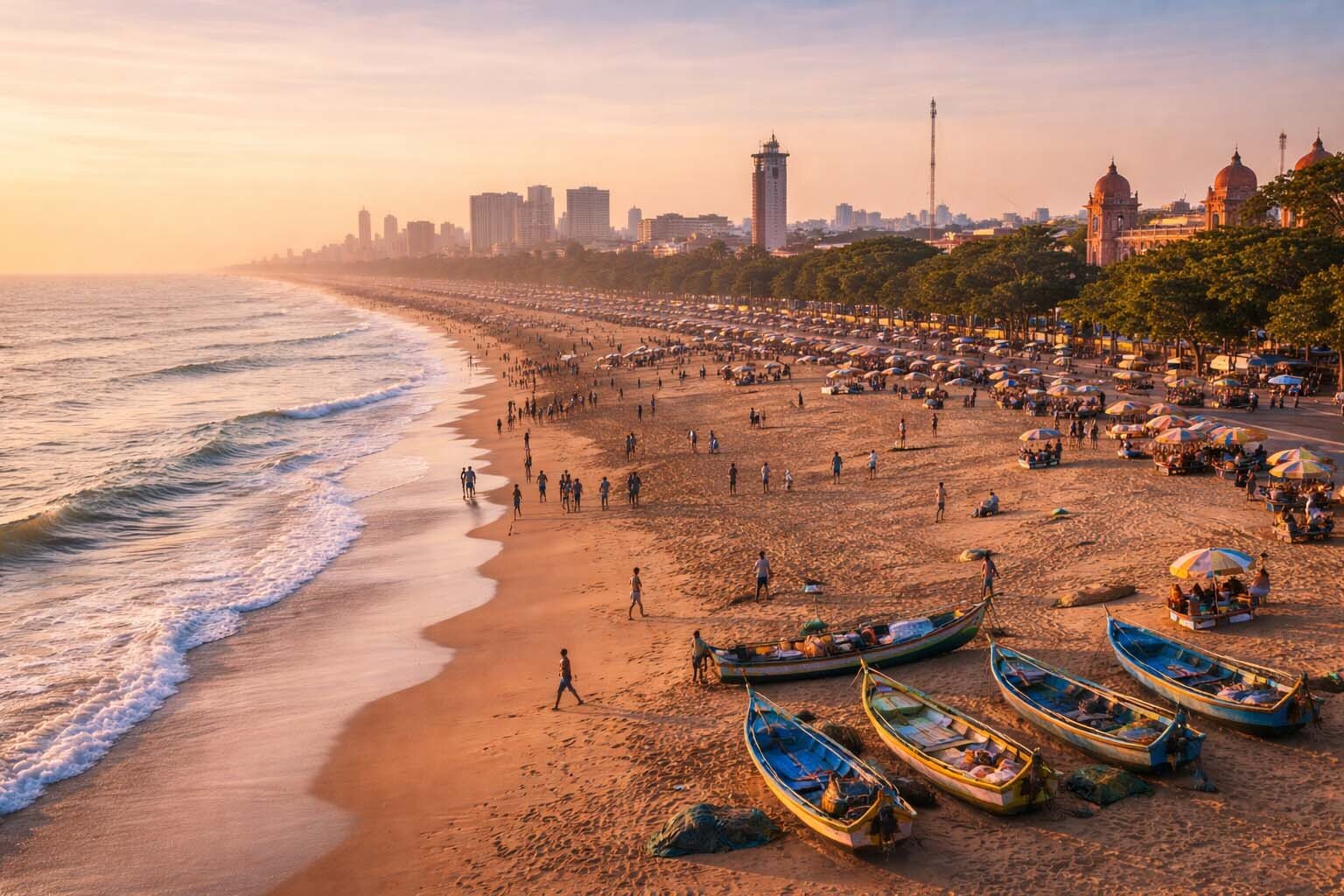
Chennai Marina Beach at golden hour with fishing boats and city skyline

2nd World Cities Day Connect / 2026

31 October 2026 · World Cities Day Radisson Blu GRT, Chennai Multi-Stakeholder Forum

Regenerating
the city.
Housing for all.

A global multi-stakeholder platform for dialogue, partnerships and action towards green and sustainable cities for all — advancing SDG 11: Sustainable Cities and Communities.

Organised by Sustainable Development Council · Supported by UN-Habitat

Chennai Marina Beach — our host city Photography credits ↗
SDG 11: Sustainable Cities and Communities

Strategic Alignment

Advancing SDG 11 — Green & Sustainable Cities for All

Goal 11: Make cities and human settlements inclusive, safe, resilient and sustainable.

The World Cities Day Connect 2026 translates the global goals of SDG 11 into local action — connecting housing, regeneration, mobility, green infrastructure and community participation with the broader 2030 Agenda for Sustainable Development.

  • 11.1 Safe & affordable housing
  • 11.2 Sustainable transport systems
  • 11.3 Inclusive & sustainable urbanisation
  • 11.5 Reduce disaster impacts
  • 11.6 Reduce cities' environmental footprint
  • 11.7 Safe, inclusive & green public spaces
  • 11.a Integrated territorial planning
  • 11.b Holistic disaster-risk policies

The Connect also considers interlinkages with poverty reduction, health & well-being, decent work, reduced inequalities, climate action and sustainable consumption & production — in support of better cities and better lives.
Background & Rationale

Why a World Cities Day Connect?

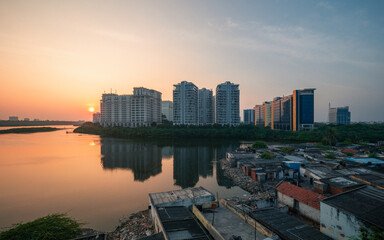
Urban cityscape

Urbanisation is reshaping our world

Cities are centres of economic opportunity, innovation, cultural exchange and social transformation — while confronting complex challenges related to housing, infrastructure, inequality, climate resilience and access to essential services.

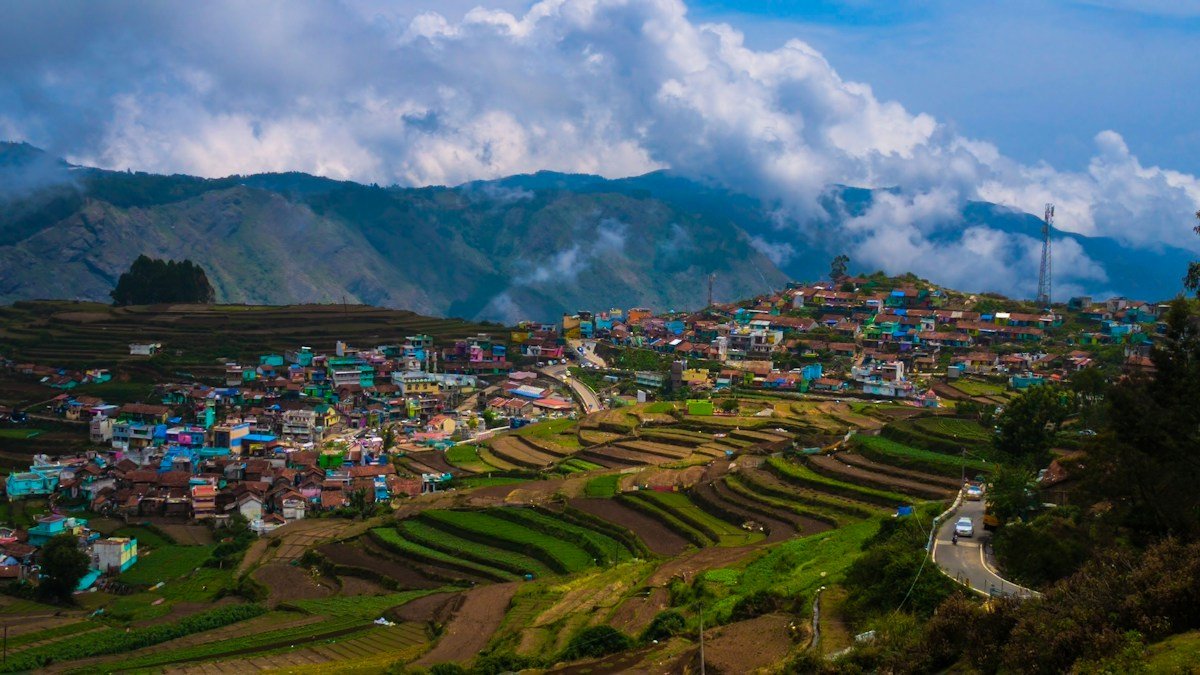
Hillside homes in Kodaikanal, Tamil Nadu

Housing cannot be addressed in isolation

Adequate housing is intrinsically connected to mobility, public infrastructure, employment, environmental sustainability, social inclusion and the overall quality of urban life.

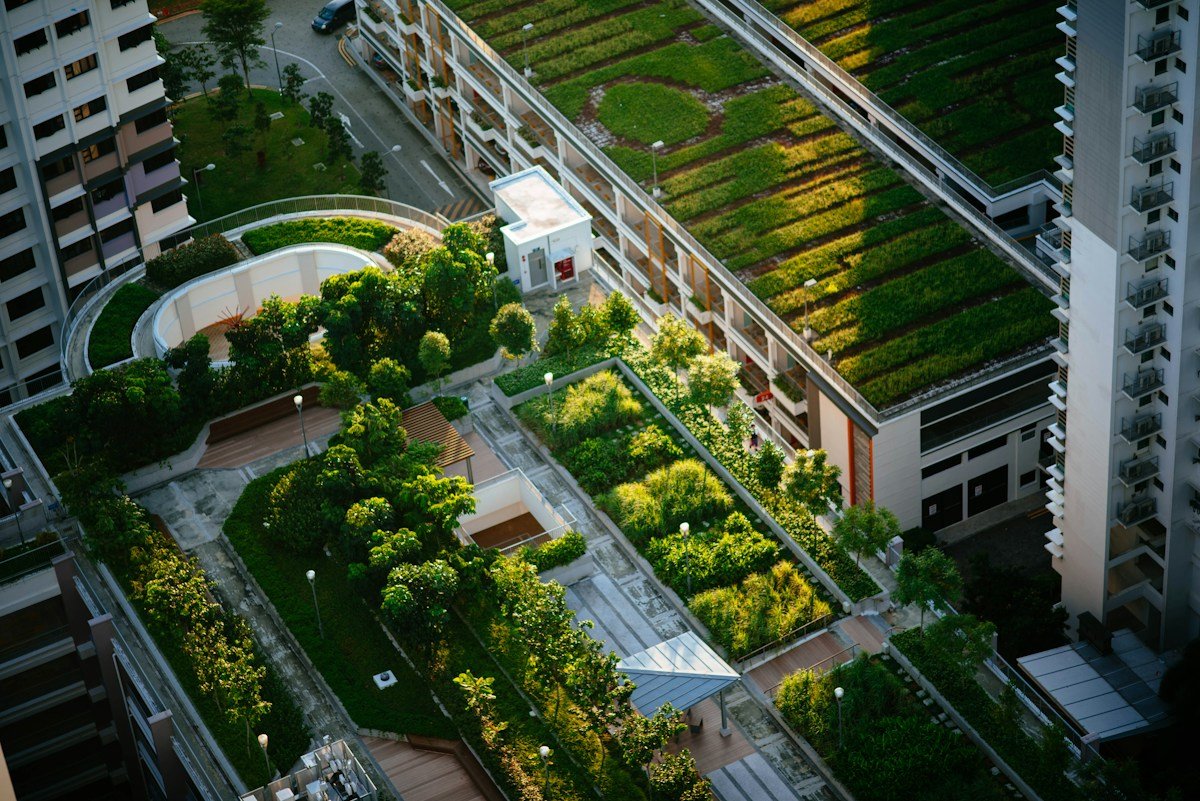
Aerial view of buildings with landscaped green rooftops

Regeneration is the opportunity

Regenerating existing urban areas offers a path beyond fragmented development — towards people-centred transformation that protects affordability, accessibility, cultural identity and social cohesion.

“How can cities regenerate in ways that are inclusive, sustainable and resilient — and capable of ensuring adequate housing and better living conditions for all?”

The guiding question of World Cities Day Connect 2026
01

Urban Regeneration

Resilient infrastructure, improved public spaces and adaptive urban renewal.

02

Heritage & Modernisation

Protecting cultural identity while embracing innovation and future-ready design.

03

Adequate Housing for All

Inclusive, accessible and dignified housing solutions for every community.

04

Global SDG 11 Alignment

Translating sustainable urbanisation principles into measurable local action.

The Concept

Green & Sustainable Cities for All

The future of cities depends not only on new infrastructure and expansion, but on the responsible regeneration of existing urban environments — cities that are climate-responsive, resource-efficient and shaped by the people who live in them.

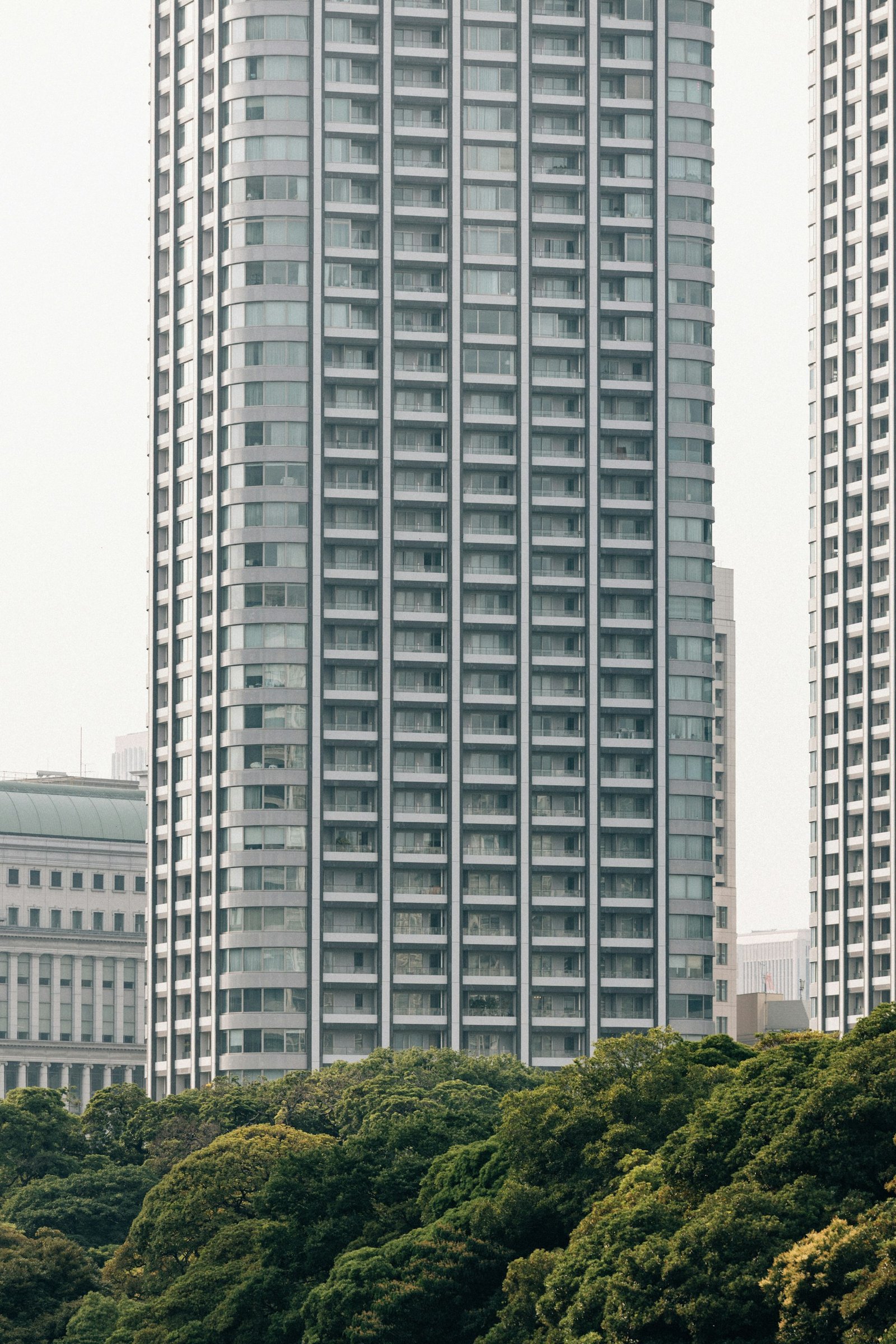
Dense tree canopy alongside urban apartment towers
Making room for nature.
And the people who call cities home.

Green Infrastructure

Urban forests, parks, green corridors and sustainable public spaces that cool neighbourhoods, restore biodiversity and improve quality of life.

Climate Resilience

Climate adaptation, disaster-risk reduction and resilient infrastructure that strengthen cities' capacity to anticipate, absorb and recover from shocks.

Resource-Efficient Construction

Sustainable construction, adaptive reuse and circular material choices that cut the environmental footprint of how cities build and rebuild.

Clean & Inclusive Mobility

Public transport, non-motorised mobility and intelligent infrastructure that connect people to housing, jobs and services sustainably.

Water, Energy & Waste

Resource efficiency, clean energy and responsible consumption that keep essential services affordable and environmentally responsible.

People-Centred Governance

Inclusive planning, civic engagement and community ownership — placing vulnerable and underserved populations at the centre of decisions.

“Regeneration is not simply physical redevelopment — it is the process of creating more inclusive neighbourhoods, more resilient infrastructure, more adequate housing, stronger communities and more sustainable cities for all.”

Theme & Objectives

Ideas · Partnerships · Action for Better Cities

Theme

“Regenerating the City: Adequate Housing for All”

Urban regeneration must advance adequate housing by promoting inclusive, accessible and dignified housing solutions — balancing heritage with modernisation and placing communities at the centre of urban decision-making, while accelerating SDG implementation.

Specific Objectives

  1. Facilitate policy dialogue among governments, urban authorities, development institutions, private sector, academia and civil society.
  2. Advance the discourse on adequate housing as a critical foundation for equitable and sustainable urban development.
  3. Promote integrated approaches to urban regeneration connecting housing, infrastructure, mobility, public spaces and climate resilience.
  4. Explore innovative and scalable solutions in urban planning, financing, construction, technology and sustainable infrastructure.
  5. Strengthen partnerships between public institutions, private sector, civil society, academia and international organisations.
  6. Position Chennai as a platform for urban knowledge exchange — local experience, national, regional and global perspectives.
  7. Accelerate implementation of SDG 11 through practical commitments and locally relevant solutions.

Programme

Seven Key Thematic Areas

Focused sessions connecting regeneration, housing, heritage, climate, finance, technology and governance.

Urban Regeneration & Resilient Infrastructure

Strategies for revitalising existing urban areas through resilient infrastructure, sustainable public spaces, adaptive reuse and integrated urban renewal.

Adequate Housing for All

Inclusive, accessible, safe and dignified housing — affordability, housing delivery, social inclusion and the needs of underserved communities.

Heritage, Identity & Modernisation

How heritage conservation can coexist with contemporary planning, infrastructure and economic development as cities evolve.

Climate-Responsive & Sustainable Cities

Sustainable construction, resource efficiency, green infrastructure, climate adaptation and environmentally responsible urban development.

Financing the Future City

Innovative financing mechanisms and partnerships among governments, developers, financial institutions, investors and impact-oriented organisations.

Technology, Innovation & Smart Urban Solutions

Proptech, data systems, clean energy and intelligent infrastructure — keeping technology inclusive and people-centred.

Participatory & People-Centred Urban Governance

Inclusive planning, local governance, civic engagement and community ownership of urban transformation.

Proposed Format

A High-Level, Multi-Stakeholder Day

Opening

Opening Session

Welcome remarks, institutional perspectives and framing of the World Cities Day 2026 agenda.

Keynote

Keynote Dialogue

A high-level intervention on the future of sustainable and inclusive urbanisation.

Panels

Policy & Leadership Panels

Focused discussions bringing together government, international organisations, industry, academia and civil society.

Solutions

Urban Solutions Dialogue

Presentation and exchange of practical approaches, technologies, models and initiatives for regeneration and adequate housing.

Dialogue

Multi-Stakeholder Dialogue

An interactive segment to identify areas for collaboration and partnership.

Closing

Commitments & Way Forward

Identification of priority actions and opportunities for continued cooperation beyond the event.

Impact

Expected Outcomes & Guiding Principles

Expected Outcomes

  • Enhanced Policy Dialogue — strengthened exchange on sustainable urbanisation and adequate housing.
  • Knowledge Exchange — evidence, innovations and practices adaptable across cities.
  • Partnership Development — collaborations across government, private sector, academia, civil society and international organisations.
  • Action-Oriented Recommendations — practical pathways for regeneration, housing and infrastructure.
  • Greater SDG Alignment — increased awareness and action towards SDG 11 and related Goals.
  • Chennai Urban Leadership — visibility for Chennai as a hub for inclusive, sustainable urban dialogue.
  • Long-Term Collaboration — continued engagement through partnerships and knowledge-sharing mechanisms.

Key Principles

🤲

Inclusivity

Responding to the needs and aspirations of diverse communities.

⚖️

Equity

Addressing disparities in housing, infrastructure, services and opportunities.

🌱

Sustainability

Respecting environmental limits while promoting long-term prosperity.

🛟

Resilience

Capacity to anticipate, absorb and recover from social, economic and environmental shocks.

❤️

People-Centred Development

People, communities and quality of life at the heart of transformation.

🔗

Partnership

Cooperation across sectors and institutional boundaries.

Who Attends

A Truly Multi-Stakeholder Convening

Linking policy, knowledge, finance, innovation and implementation.

  • 🏛️ Government ministries, departments & policymakers
  • 🏗️ Urban local bodies & city authorities
  • 🏢 Real estate developers & builders
  • 📐 Urban planners, architects & infrastructure professionals
  • 🏦 Banks, housing finance institutions & investors
  • 📊 ESG, sustainability & climate leaders
  • 🎓 Universities, researchers & think tanks
  • 🧑‍🤝‍🧑 Civil society & community organisations
  • 🇺🇳 UN agencies & international organisations
  • 💡 Technology, proptech & clean-energy companies
  • 📰 Media, thought leaders & changemakers

Host City

Chennai — Where Heritage Meets the Future

Chennai combines a significant population base with a strong economic ecosystem spanning manufacturing, information technology, education, healthcare and infrastructure — alongside a distinctive convergence of cultural heritage and modern urban development.

As the city experiences rapid transformation and rising demand for housing, infrastructure and climate-responsive development, Chennai offers a compelling setting to examine how growth can advance inclusive, sustainable and people-centred urban development while retaining cultural identity.

11M+People in the metropolitan region
1,000+ yrsOf heritage and cultural identity
CoastalClimate-responsive urban lab
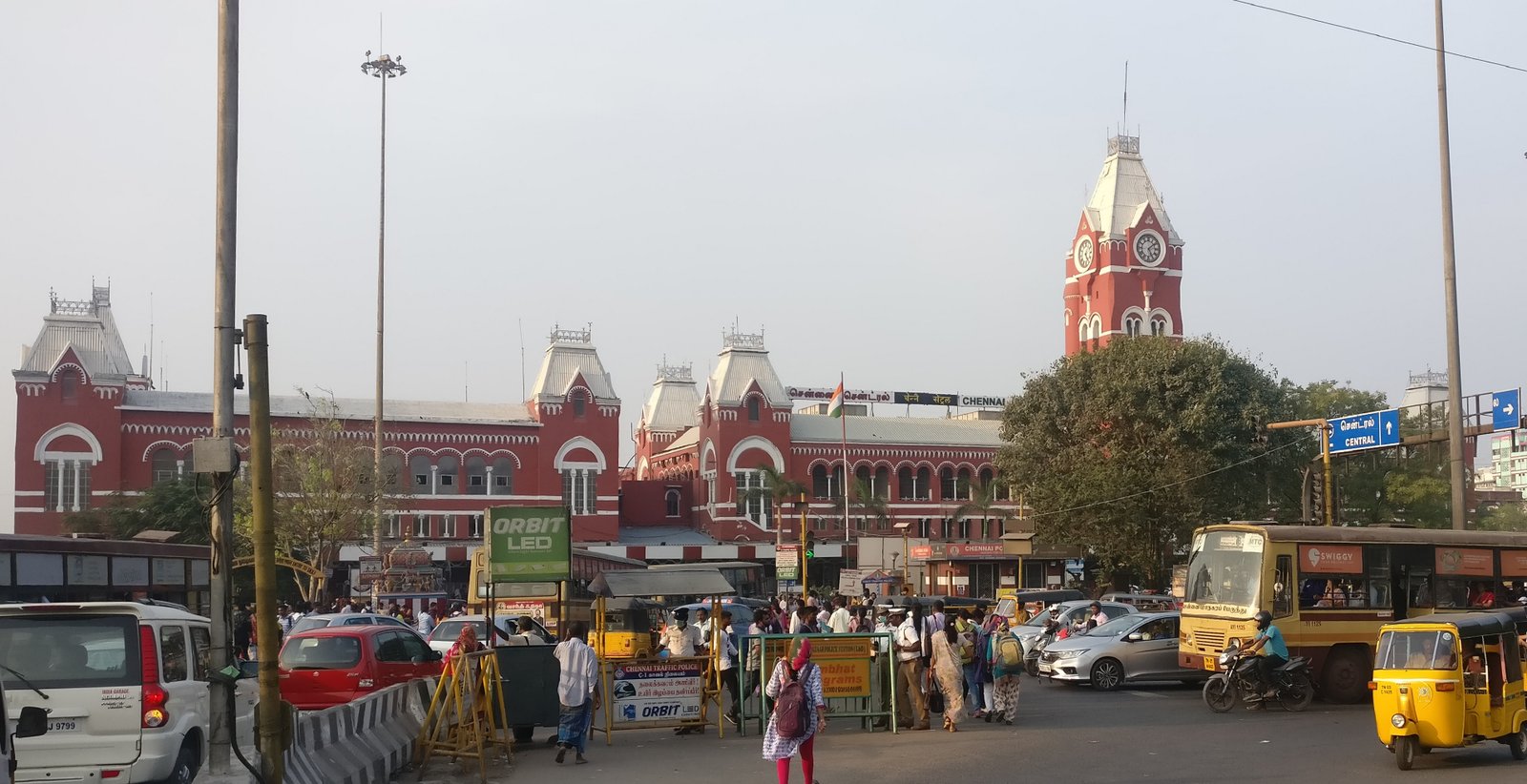
Chennai Central railway station with its distinctive clock tower
Chennai Central · Heritage at the heart of a changing city
Photo: Shanmugamp7 / CC BY-SA 3.0

Convening for better cities

Organizing Framework

Sustainable Development Council

Organised by

Sustainable Development Council

World Cities Day 2026 — Better City, Better Life

Official Event of

31 October · Better City, Better Life

UN-Habitat

Supported by

UN-Habitat

Venue

Radisson Blu GRT, Chennai

31 October 2026 · World Cities Day · Chennai, Tamil Nadu, India

Organised by the Sustainable Development Council (SDC) · Supported by UN-Habitat